LISTEN online HERE iTunes podcast HERE
The victory of the carwasheros! HAROLD MEYERSON analyzes the unionization of LA carwashes, notorious for paying low wages—and no wages. How did they do it? State government played a crucial role. Harold wrote about the carwasheros for The American Prospect.
April 15 demo in LA for low wage workers: info at http://lafightfor15.org/
 Plus It’s the 150th anniversary of The Nation magazine. Editor and publisher KATRINA VANDEN HEUVEL talks about the magnificent 268-page special issue that’s out now, and the celebration tomorrow/Thurs. night in LA at the Hammer Museum, Wilshire & Westwood, 7:30pm, the one-night, west coast premiere of Oscar-winner Barbara Kopple’s documentary “Hot Type” about magazine, followed by talk-back with Barbara Kopple, Katrina vanden Heuvel and Amy Wilentz–and also Norman Lear. This event is free but tickets are required–available at the Hammer box office one hour before the program.
 LISTEN online
 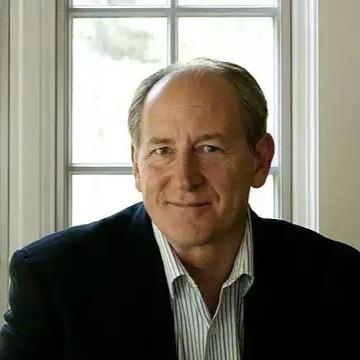 How the Vietnam war redefined our nation: on the 50th anniversary of the start of the war, CHRISTIAN APPY talks about the continuing struggles over its meaning and legacy. His new book is
 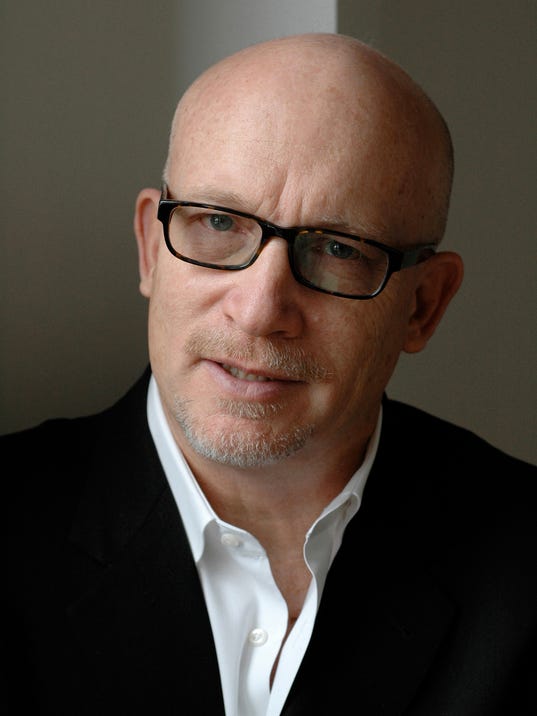 Why do intelligent people join Scientology—and why do they stay? Oscar-winning documentarian ALEX GIBNEY interviewed eight high-ranking people who left, and who provide some explanations. His documentary
  The mother of all problems in higher education today is high tuition at public colleges and universities, which forces students into decades of debt and makes for-profit schools seem like a plausible alternative. Making four years of college free is not only fair; it’s also politically possible.
 One of the “stupidest” decisions Barney Frank ever made, he says in his new memoir, Frank: A Life in Politics, was bringing Secretary of Defense Robert McNamara to Harvard in the fall of 1966, at the height of the Vietnam War. I agree; I was there. But the story Frank tells in his book is, to put it generously, incomplete. What he did was even stupider than he acknowledges.
 General David Petraeus has agreed to plead guilty to a misdemeanor charge of mishandling classified material and will serve no jail time for his actions. Let’s give the same deal to Edward Snowden.
 LISTEN online
  Also:
Also:  LISTEN online
  Also: 40 years after the end of the Vietnam War, the Vietnamese are still coping with unexploded bombs and Agent Orange. George Black will report—he has the
  Plus: a new kind of civil disobedience: a student debt strike. Students are refusing to make any more payments on their federal
  Republicans condemn Obama for “class warfare,” but the charge is laughable if you know anything about the American past–or about our present “Age of Acquiescence.”
 Obama has the biggest megaphone on the planet, he is on Page 1 every day of the year, and the op-ed page is for other perspectives. Nevertheless the LA Times published an op-ed piece of his–one that presents thoroughly familiar liberal common sense. . . .
 Guantánamo Diary is the only written account by a Guantánamo detainee who is still imprisoned there: Mohamedou Ould Slahi. John le Carré calls the book “a vision of hell, beyond Orwell, beyond Kafka: perpetual torture prescribed by the mad doctors in Washington.” We spoke with Slahi’s attorney, Nancy Hollander, and his editor, Larry Siems.