Listen HERE
A Clinton vs. Trump campaign in the fall would be a battle of the negatives, Frank Rich says—and Hillary’s are dangerously high.
 Plus: Hillary and Haiti—a long relationship, and a revealing one. Amy Wilentz comments.
Read Chelsea Clinton’s once-secret memo about the Clinton Foundation’s failings in Haiti here.
.
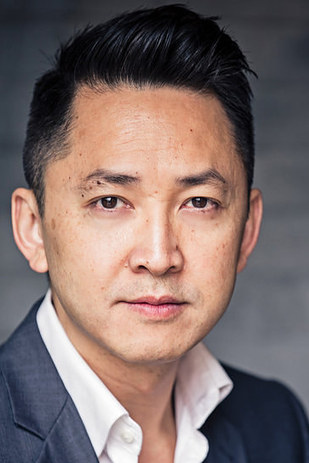 And we speak with Viet Nguyen—his novel The Sympathizer just won the Pulitzer Prize. It begins in Saigon on the last day of the Vietnam war, and features a Viet Cong spy inside the Saigon army.
 Listen
  And we’ll talk about genocide in Indonesia in the sixties, and its aftermath today, with documentary filmmaker JOSHUA OPPENHEIMER—his film
 Also: military historian Andrew Bacevich says America can never win its twenty-year war for the Middle East.
 Plus: Amy Goodman talks about how she got arrested at the Republican National Convention in St. Paul in 2008 — and other highlights from the 20-year history of ‘Democracy Now.’
 Listen HERE
 Also: Viet Nguyen talks about “The Sympathizer,” the best political novel I’ve read in a long time. It opens in Saigon on the last day of the Vietnam war and follows a nameless spy who has infiltrated the South Vietnamese army and then flees with its remnants to America. It’s out now in paperback.
 Plus The Spanish Civil War: it was huge event in the rise of fascism and in the history of the American left. We’ll talk about it with Adam Hochschild – his new book is Spain in Our Hearts: Americans and the Spanish Civil War, 1936-1939. Adam and I will be in conversation at the LA Public Library ALOUD series tomorrow/Thurs night, 7pm; the library is at 5th & Flower Streets.
 LISTEN to the iTunes podcast
 Listen
 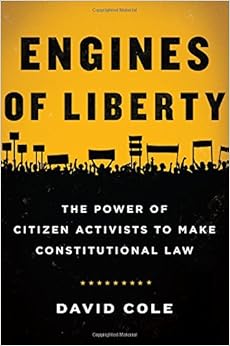 Also: David Cole argues that citizen activists are the real force behind changes in constitutional law – look at how the NRA changed the meaning of the Second Amendment; look at how the gay rights movement changed the meaning of “marriage.” His new book is Engines of Liberty.
 Listen
 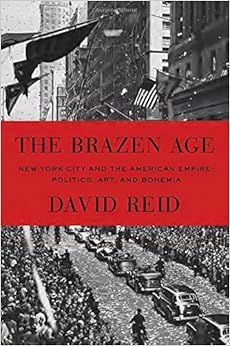 Plus: – politics in 1944! DAVID REID talks about the last hurrah of Franklin Delano Roosevelt and the glory days of the CIO Political Action Committee – his new book is The Brazen Age: New York City and the American Empire, Politics, Art and Bohemia.
 Listen
 And, for opening day of major league baseball, our Dave Zirin talks about the game with Noam Chomsky—who recalls growing up with the hapless Philadelphia Athletics, and going to Little League games with his grandson today.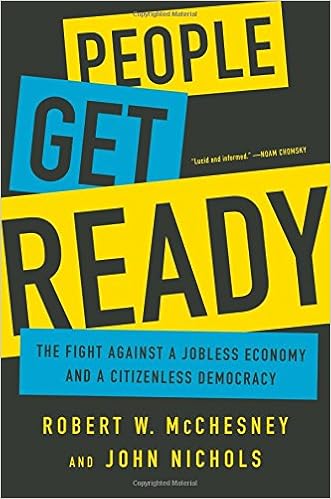
 Also: We return to the Rosenberg case: now we know that Julius was a spy, but didn’t give the Soviets the secret of the A-bomb; and we know that Ethel was framed. So it’s time to exonerate Ethel.