LISTEN online HERE iTunes podcast HERE
JOHN DENSMORE, drummer for The Doors, talks about Bernie Sanders — and about the new film Window of Opportunity, a suspensful dark comedy thriller about corporate greed that he produced. It’s screening Oct 28 at 7:30 at the Egyptian Theater in Hollywood—a benefit for Bernie. WATCH the trailer HERE.
 Plus: The day that Dylan went electric: we’ll speak with ELIJAH WALD about the legendary moment in our history at the Newport Folk Festival in 1965—and listen to rare audio of Dylan playing “Maggie’s Farm” that day. Wald’s new book is Dylan Goes Electric!
.
 Also: Going Clear: Scientology and the Prison of Belief is documentary made by the award-winning filmmaker ALEX GIBNEY — is our featured thank-you gift this hour of the KPFK fund drive. We’ll be speaking with Alex Gibney about why people join Scientology—and what happens when they try to leave.
 LISTEN online
  Also:
Also:  LISTEN online
  Also: HENRY FORD’s Amazon colony — historian
  Plus: Politics and modern music: Hitler and Stalin went to the opera, and Joe McCarthy subpoenaed composers. What was going on?
  LISTEN online
  Plus:
Plus:  Also:
Also: 
 Plus: The second Republican debate is tonight:
  Also: The battle for the beach continues: the rich and powerful who own property along Malibu’s 27-mile coastline fight to keep the public away from the sand and surf in front of their houses. Too often the LA county sherriffs help them. But the coastline belongs to everybody, and we have a right to beach access. Now JENNY PRICE has developed an app that pinpoints beach access points—and provides help when the sherriffs arrive.
 LISTEN online
  Also:
Also:  LISTEN online
 Also: The summer the confederate flag came down: historian
 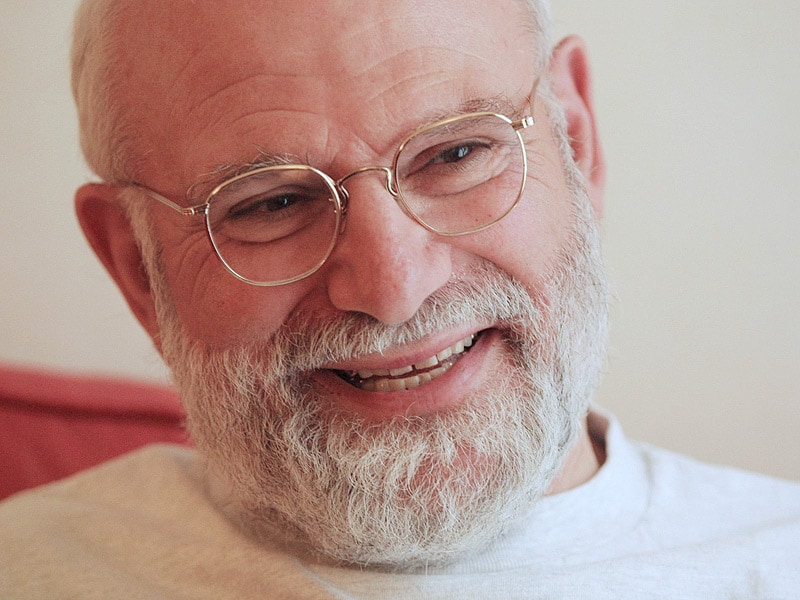 Finally, we’ll revisit our 2012 interview with OLIVER SACKS, the wonderful neurologist and writer who died on Sunday—we talked about his experience with LSD in 1963, in a segment called “
 LISTEN online
  Also: Henry Kissinger, war criminal, winner of the Nobel Peace Prize, and,
  Plus:
Plus:  LISTEN online
  And we’ll also talk about GORE VIDAL: we are featuring the DVD of the award-winning documentary Gore Vidal: The United States of Amnesia as a fund drive premium on KPFK, along with my book of interviews with him, I Told You So: Gore Vidal Talks Politics. Please call and pledge during the hour: 818-985-5735.
 Once again, we’re not done with the sixties:
  Also: Gay marriage won by arguing for equality. Should abortion rights be making an equality argument?